




An SLA (Service Level Agreement) contract is a formal agreement between a service provider and customer that defines expected service levels, performance metrics, and remedies if commitments aren't met. It creates accountability and transparency by specifying what services are provided, how performance is measured, and the consequences for failing to meet standards.
Key takeaways:
- Core components: Service descriptions, performance metrics (uptime, response/resolution times), monitoring requirements, and remedies (service credits, penalties, termination rights)
- Common types: Customer-based (one client, all services), service-based (one service, all customers), multi-level (hybrid), and internal SLAs (between departments)
- Typical metrics: 99.9%+ uptime, severity-based response times, resolution targets, customer satisfaction scores
Best practices: Use specific measurable language, set realistic targets, monitor consistently, and review quarterly or annually.
An SLA (Service Level Agreement) contract is a formal agreement between a service provider and customer that defines expected service levels, performance metrics, and remedies if commitments aren't met. It creates accountability and transparency by specifying what services are provided, how performance is measured, and the consequences for failing to meet standards.
Key takeaways:
- Core components: Service descriptions, performance metrics (uptime, response/resolution times), monitoring requirements, and remedies (service credits, penalties, termination rights)
- Common types: Customer-based (one client, all services), service-based (one service, all customers), multi-level (hybrid), and internal SLAs (between departments)
- Typical metrics: 99.9%+ uptime, severity-based response times, resolution targets, customer satisfaction scores
Best practices: Use specific measurable language, set realistic targets, monitor consistently, and review quarterly or annually.
What is an SLA contract?
An SLA contract is a formal agreement between a service provider and a customer that defines the level of service expected. Think of it as a commitment document that spells out exactly what you're paying for, how performance will be measured, and what happens if the provider doesn't deliver.
The definition of service level agreements goes beyond just listing services. It establishes clear expectations, accountability, and remedies. Whether you're dealing with a service level agreement for IT services, customer support, or any other business function, the goal is the same: clarity and protection for both parties.
At its core, an SLA contract answers 3 critical questions:
- What services will be provided?
- How will performance be measured?
- What happens if expectations aren't met?
Why SLA contracts matter for your business
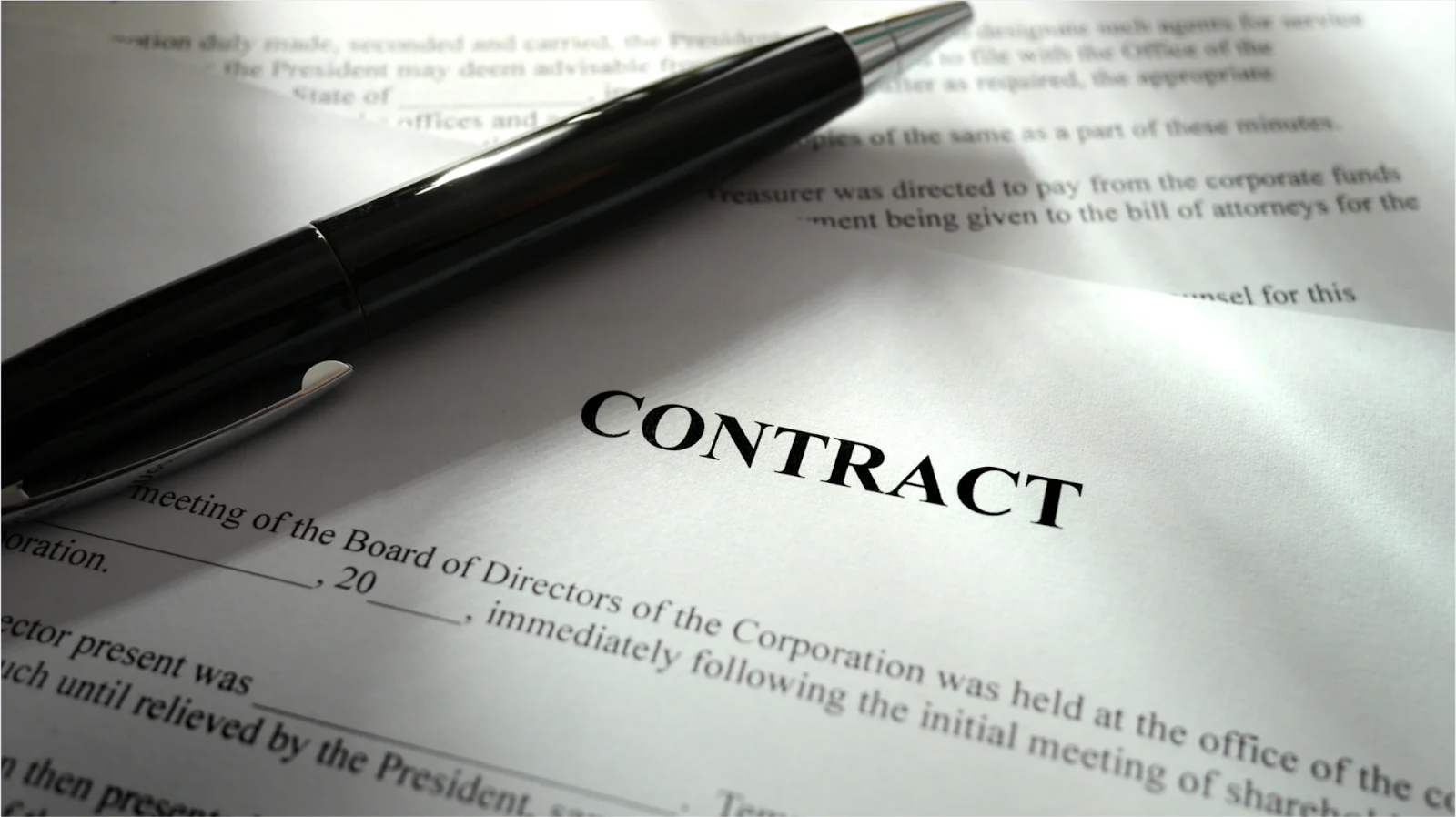
Without an agreed SLA, you're operating on assumptions. And assumptions don't hold up well when systems go down, tickets pile up, or deliverables are missed.
Here's why SLA contracts are essential:
- Accountability: They create a measurable standard that holds vendors accountable for their performance. No more vague promises or "we'll do our best" statements.
- Transparency: Both parties know exactly what's expected. There's no room for interpretation when uptime percentages, response times, and resolution targets are clearly defined.
- Risk mitigation: If something goes wrong, you have recourse. Financial penalties, service credits, or contract termination clauses protect you from extended disruptions.
- Business continuity: Knowing your vendor has committed to specific performance standards gives you confidence that your operations won't be derailed by poor service.
For sales and solutions teams, SLA contracts are particularly valuable during the sales cycle. When prospects ask about your service commitments, having a solid SLA demonstrates professionalism and builds trust.
Key components of an SLA contract
Not all SLA contracts are created equal. A strong agreement includes several critical elements that protect both parties and set clear expectations.
1. Service description
This section outlines exactly what services are covered under the agreement. Be specific. Instead of "IT support," detail whether it includes hardware troubleshooting, software updates, network monitoring, or all of the above.
For a service level agreement for customer service, this might include response channels (phone, email, chat), hours of operation, and types of issues covered.
2. Performance metrics and targets
This is where you define success. Common metrics include:
- Uptime guarantees: Most service legal agreements for cloud or hosting services promise 99.9% or higher uptime. Know what constitutes downtime and how it's measured.
- Response time: How quickly will your ticket be acknowledged? For urgent issues, this might be minutes. For lower-priority requests, it could be hours.
- Resolution time: What's the maximum time allowed to fix a problem? This should vary based on severity levels.
- Quality standards: For customer-facing services, you might include metrics like customer satisfaction scores or first-call resolution rates.
3. Roles and responsibilities
Clear delineation of who does what prevents finger-pointing when issues arise. The SLA contract should specify:
- What the service provider is responsible for
- What the customer must do to enable service delivery
- Who manages escalations
- How changes to the agreement are handled
4. Monitoring and reporting
How will performance be tracked? The support service level agreement should detail:
- What metrics will be monitored
- How often reports will be provided
- Who has access to performance information
- How disputes about performance data will be resolved
Transparency here builds trust and allows both parties to proactively address issues before they become major problems.
5. Remedies and penalties
This is your protection when things go wrong. A strong SLA contract includes:
- Service credits: If uptime falls below the guaranteed level, you might receive credits toward future bills.
- Financial penalties: Some agreements include monetary compensation for missed targets.
- Termination rights: If performance consistently falls short, you should have the option to end the contract without penalty.
- Escalation procedures: Clear paths for addressing recurring issues or disputes.
6. Exclusions and limitations
Be clear about what's not covered. Common exclusions include:
- Scheduled maintenance windows
- Issues caused by customer actions or third-party services
- Force majeure events (natural disasters, acts of war, etc.)
- Services explicitly listed as out of scope
Understanding these limitations prevents disappointment and ensures you have backup plans for scenarios not covered by the SLA.
Types of SLA contracts
SLA contracts aren't one-size-fits-all. Different business relationships call for different structures.
Customer-based SLA
This type covers all services provided to a specific customer. It's common in enterprise sales where one client might use multiple services from a single vendor.
The advantage? Simplicity. Everything is in one document, making it easier to manage and track overall vendor performance.
Service-based SLA
Here, the same terms apply to all customers using a specific service. Think of a cloud hosting provider offering the same uptime guarantee to everyone on their standard plan.
This approach is efficient for vendors and ensures consistent service across customers, though it offers less flexibility for customization.
Multi-level SLA
This hybrid approach includes different levels of agreements:
- Corporate level: Covers general terms applicable to all customers
- Service level: Defines standards for specific services
- Customer level: Includes customizations for individual clients
Large organizations often prefer this structure because it balances standardization with flexibility.
Internal SLAs: Setting standards within your organization
While we often think of SLAs in terms of external vendors, internal agreements are equally important for organizational efficiency. Internal SLAs establish clear expectations between departments and teams, ensuring smooth collaboration and accountability across your business.
Sales and marketing SLA
A sales SLA is an agreement between your sales and marketing teams that defines:
- Lead quality standards: What constitutes a marketing qualified lead (MQL) that's ready for sales follow-up?
- Response times: How quickly must sales contact a new lead?
- Lead nurturing responsibilities: Who handles leads that aren't quite ready to buy?
- Reporting requirements: What information flows between teams and how often?
This type of agreement prevents the classic tension between sales and marketing teams and ensures both groups are working toward the same goals. When everyone knows what's expected, sales productivity improves dramatically.
RFP submission SLA
For organizations that regularly respond to requests for proposals (RFPs), internal SLAs around submission processes can be critical:
- Review timelines: How long does each department have to review and provide input on an RFP?
- Approval workflows: Who needs to sign off at each stage, and within what timeframe?
- Quality standards: What level of detail and customization is required for each type of RFP?
- Submission deadlines: Internal deadlines set before the actual client deadline to allow for final review.
These agreements ensure your organization can respond to opportunities quickly and professionally, without last-minute scrambles that lead to errors or missed deadlines.
Common mistakes to avoid
Even well-intentioned SLA contracts can fall short if you're not careful. Watch out for these pitfalls:
Vague language
"Reasonable response time" or "best efforts" won't hold up when you need to enforce the agreement. Every commitment should be specific and measurable.
Unrealistic expectations
An SLA that promises 100% uptime sets everyone up for failure. Build in reasonable targets that account for the realities of technology and human operations.
Ignoring the customer's role
Service delivery is often a partnership. If you don't fulfill your responsibilities, like providing necessary access or information, you can't expect the vendor to meet their commitments.
No review mechanism
Business needs change. Your SLA contract should include provisions for periodic review and updates to ensure it remains relevant.
Focusing only on penalties
While consequences for poor performance matter, the best SLAs also incentivize excellence. Consider bonus structures or preferred pricing for consistently exceeding targets.
SLA contract best practices
Creating an effective SLA contract requires thoughtful planning and clear communication. Here's how to get it right:
Start with the end in mind
What outcomes matter most to your business? Build your SLA around those priorities rather than generic industry standards.
Involve stakeholders early
Your IT team, operations staff, and end users all have perspectives on what good service looks like. Gather input before drafting the agreement.
Make it accessible
SLA contracts shouldn't require a law degree to understand. Use clear language and provide examples wherever possible.
Test before you commit
If possible, run a pilot period with draft SLA terms before finalizing the contract. This helps identify gaps or unrealistic expectations.
Monitor consistently
An SLA is only as good as your ability to track compliance. Set up systems to monitor performance from day one.
Communicate regularly
Don't wait for the quarterly review to discuss performance. Regular check-ins help address small issues before they become big problems.
Real-world SLA contract examples
Let's look at how different industries structure their service level agreements:
IT services SLA
A typical service level agreement for IT services might guarantee:
- 99.9% uptime for critical systems
- 15-minute response time for severity 1 incidents
- 4-hour resolution time for severity 1 incidents
- 24/7 monitoring and support
- Monthly performance reports
The contract would define what constitutes each severity level and specify remedies like service credits if targets are missed.
Customer service SLA
A service level agreement for customer service could include:
- 90% of calls answered within 30 seconds
- Average handle time under 5 minutes
- First-call resolution rate of 80% or higher
- Customer satisfaction score of 4.5/5 or better
- Email responses within 2 hours during business hours
Cloud hosting SLA
Cloud providers often structure their SLAs around:
- 99.95% monthly uptime commitment
- Network latency under 50ms
- Scheduled maintenance limited to off-peak hours
- Service credits equal to 10% of monthly fees for each percentage point below target
How SLA contracts support sales enablement
For sales teams navigating complex deals, understanding and leveraging SLA contracts is crucial. When prospects ask about service commitments, your SLA becomes a powerful sales tool.
It demonstrates:
- Your confidence in your service quality
- Your commitment to accountability
- Your understanding of their business needs
- Your willingness to put guarantees in writing
Solutions engineers often reference SLA terms during technical discussions, using them to differentiate from competitors who offer vaguer promises.
Additionally, when responding to RFPs and security questionnaires, having a well-defined SLA contract speeds up the response process and provides concrete evidence of your capabilities.
The bottom line
An SLA contract isn't just a formality, it's a strategic tool that protects your business, ensures accountability, and builds trust with vendors and customers alike.
Whether you're negotiating a support service level agreement for your IT infrastructure or establishing a sales SLA between internal teams, the principles remain the same: be specific, be measurable, and be fair.
Take the time to craft an agreement that truly reflects your needs and expectations. The few hours invested upfront will save you countless headaches down the road.
And remember: the best SLA contract is one that rarely needs to be enforced because both parties are committed to exceeding expectations, not just meeting them.